
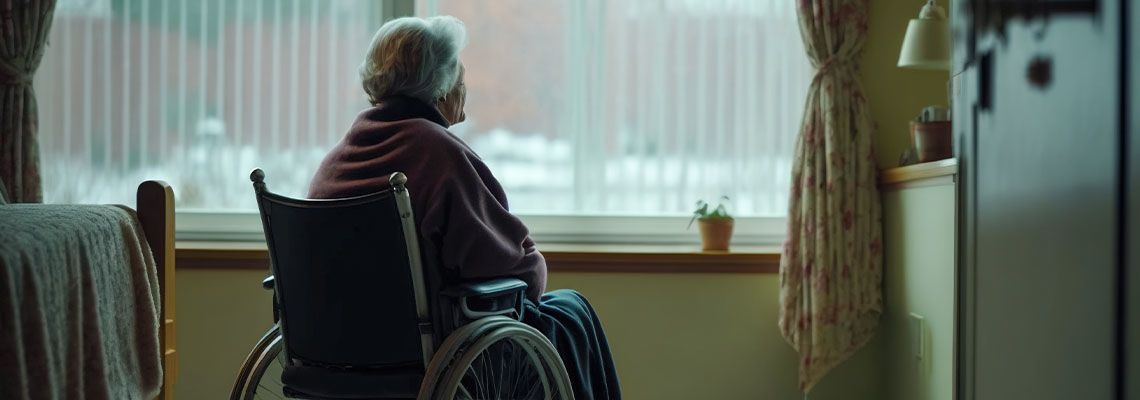
Signs of Nursing Home Neglect Families Often Miss
Caring for an aging loved one in a nursing home can be stressful, even when the facility appears professional and attentive. Families often trust that staff provide proper care, but nursing home neglect can go unnoticed for weeks or months.
Elder abuse in these settings can take many forms, and recognizing the warning signs early can protect residents from ongoing harm. We aim to help families analyze behaviors, patterns, and subtle signals that are often overlooked, allowing them to act before the situation worsens.
At Stachler Harmon Attorneys at Law, we help families recognize early signs of nursing home neglect and understand how these issues can impact their loved ones’ safety and well-being. We serve clients in Dayton, Ohio, as well as the surrounding areas of Miamisburg, Warren, Greene County, Clark County, Butler County, and Preble County.
Identifying warning signs of elder abuse early can prevent further harm and give families the clarity they need to take informed action. Learn how to spot these often-overlooked indicators by reaching out to our attorneys at Stachler Harmon Attorneys at Law.
Physical Indicators of Elder Abuse
Physical signs are sometimes the clearest indicators of neglect, but they can also be mistaken for normal aging or health issues. Families should be vigilant for bruises, cuts, or unexplained injuries, particularly when they occur frequently or in unusual patterns. Weight loss or poor hygiene may also suggest that daily care is insufficient.
Other physical indicators to watch for include:
Bedsores or pressure ulcers that appear repeatedly or worsen despite treatment
Untreated or poorly managed chronic conditions, such as diabetes, high blood pressure, or heart disease
Frequent infections, untreated wounds, or sudden worsening of existing medical conditions
Even subtle changes, such as dry or unkempt hair, untrimmed nails, or persistent body odor, may indicate neglect. Observing these signs consistently over time can reveal patterns of elder abuse that might otherwise go unnoticed. Families who document physical changes have a stronger basis for addressing concerns with the facility or seeking outside guidance.
Behavioral Changes That Indicate Neglect
Behavioral changes can be one of the earliest indicators of elder abuse, especially when physical signs are absent. Residents who suddenly become withdrawn, anxious, or depressed may be experiencing emotional neglect or mistreatment.
Some individuals may act fearfully around certain staff members or avoid interactions entirely. These behaviors are often misinterpreted as confusion or personality changes associated with aging, but they can signal deeper problems. Families might also notice disruptions in daily routines, such as:
Refusing meals or medications without explanation
Increased confusion or disorientation during visits
Sudden mood swings, agitation, or uncharacteristic anger
Observing these behaviors over time allows families to detect consistent patterns that suggest elder abuse. These warning signs should prompt careful attention to both environmental factors and staff interactions, since neglect often results from a combination of systemic and personal factors.
Warning Signs During Visits and Interactions
Regular visits offer families the opportunity to detect neglect that might not appear in medical records or reports. Watching how staff interact with residents can reveal important clues. Some warning signs include:
Staff ignoring residents’ calls for help or delaying assistance
Dismissive or harsh communication with residents
Limited engagement during meals, activities, or personal care
At Stachler Harmon Attorneys at Law, we advise paying close attention to nonverbal cues. Residents who flinch, hesitate, or avoid eye contact may be signaling discomfort or fear. Families should document these observations carefully to support any concerns that may require follow-up.
Environmental and Routine Factors
The environment of a nursing home can reflect levels of care. Poorly maintained rooms, unclean common areas, or disorganized schedules can all indicate that residents’ needs aren’t being prioritized. Elder abuse can result from systemic problems in staffing, training, or oversight, rather than isolated incidents of negligence.
Families should watch for environmental or routine issues such as:
Limited access to clean bedding, clothing, or hygiene supplies
Inconsistent or poorly prepared meals
Residents confined to rooms or beds without a clear medical reason
Lack of regular recreational or social activities
These factors, combined with physical and behavioral changes, can help families identify a broader pattern of neglect. Consistent observation over time allows families to assess whether care deficiencies are ongoing rather than isolated incidents.
Steps Families Can Take
Recognizing elder abuse is just the beginning. Families should prioritize careful documentation, noting dates, times, and specific incidents. Detailed records make it easier to communicate concerns with nursing home management or regulatory agencies. This step is crucial when there are repeated or escalating patterns of neglect.
At Stachler Harmon Attorneys at Law, we often see how thorough documentation can clarify patterns of neglect and provide a basis for meaningful discussion with facilities. While we don’t provide solutions for every possible scenario, consulting with a qualified attorney can help families evaluate options and advocate for residents’ rights.
This may involve reviewing medical records, analyzing care plans, or evaluating whether the facility is meeting legal requirements. Taking early action can help stop ongoing elder abuse and prevent further harm.
Families can also support their loved ones by maintaining regular communication, visiting at different times, and asking questions about care routines. Observing meals, hygiene practices, and daily activities can help reveal whether elder abuse or neglect is occurring. Being attentive, methodical, and informed equips families to address issues in a way that prioritizes the safety and dignity of their loved ones.
Take Action to Protect Your Loved One
If you suspect nursing home neglect or notice signs of elder abuse, our attorneys at Stachler Harmon Attorneys at Law can help you evaluate the situation and take steps to protect your family member.
Based in Dayton, Ohio, we serve clients in Miamisburg, Warren, Greene County, Clark County, Butler County, and Preble County. Reach out for a confidential consultation to discuss how we can help you address potential elder abuse and safeguard your loved one’s well-being.